
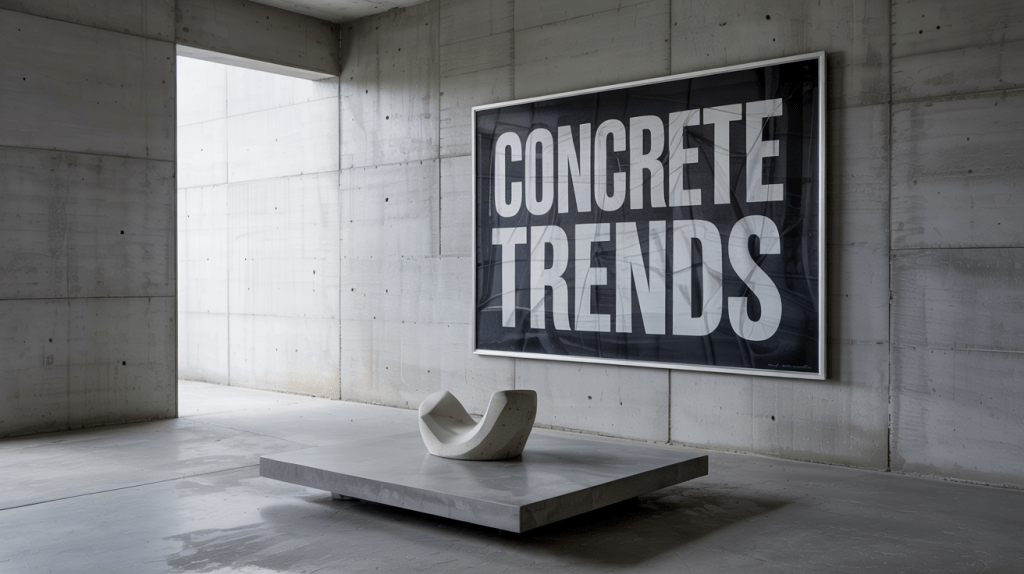
Northwestern’s Carbon-Negative Concrete Innovation
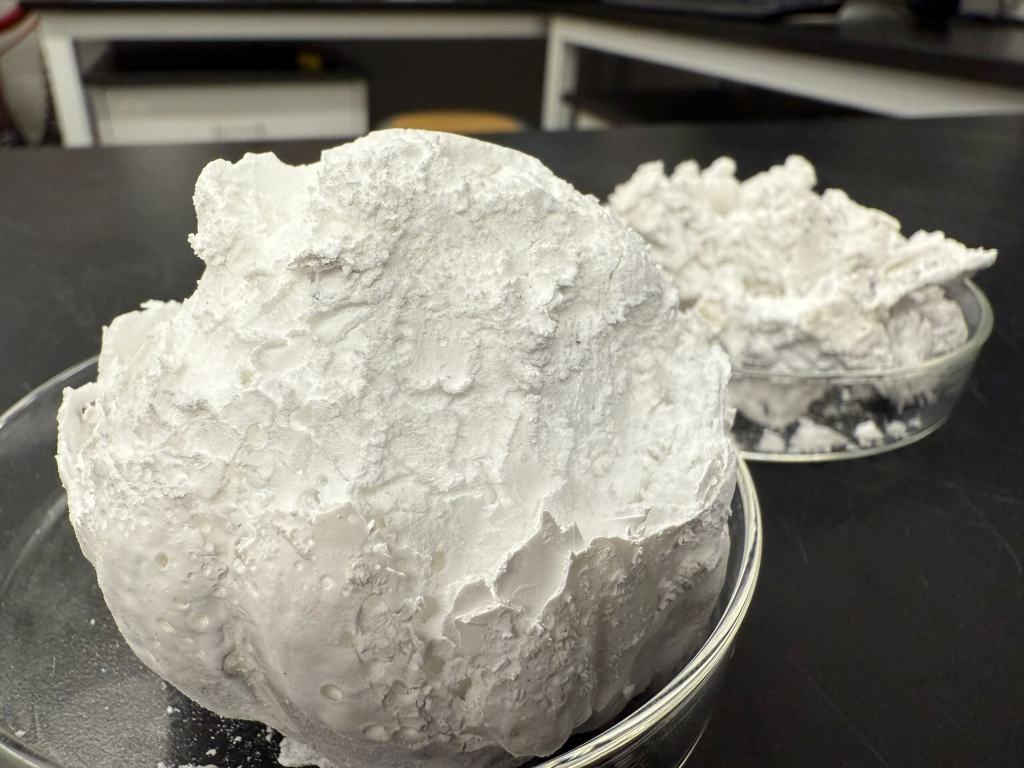
Northwestern University researchers have developed a carbon-negative building material using seawater, electricity, and CO2. This method creates sustainable materials for concrete, cement, plaster, and paint while also producing hydrogen gas as a clean fuel.
By applying electricity to seawater, CO2 reacts with dissolved ions, forming carbon-trapping minerals like calcium carbonate. These materials can replace traditional sand and gravel in concrete, reducing the cement industry’s carbon footprint. The process can be precisely controlled to adjust the material’s properties, making it adaptable for various construction applications.
This innovative approach offers a scalable, eco-friendly solution to concrete production, transforming CO2 from a greenhouse gas into a valuable building resource.
FIU’s Affordable UHPC System: A Game-Changer for Concrete Bridge Repair
Researchers at Florida International University (FIU), led by Professor Atorod Azizinamini, have developed an affordable Ultra-High Performance Concrete (UHPC) system that could revolutionize the repair of structurally deficient bridges. UHPC is significantly stronger and more water-resistant than traditional concrete, making it ideal for patching walls, fixing pipes, and restoring bridges.
The new system sprays a thin layer of UHPC onto surfaces, similar to spray painting, allowing for quick and efficient repairs. FIU’s UHPC mix costs around $500 per cubic yard, a fraction of the price of commercial versions, making it a viable option for large-scale projects. This system has already been successfully applied to a bridge in Virginia, demonstrating its effectiveness in cold climates where corrosion is a concern.
With its affordability, ease of application, and enhanced durability, FIU’s UHPC system has the potential to address the nation’s aging infrastructure, providing a cost-effective solution to strengthen and extend the lifespan of bridges.
Full story: https://techxplore.com/news/2025-03-spray-concrete-bridge.html

Victoria University’s Green Concrete: Turning Waste into Strength
Researchers at Victoria University, led by Associate Professor Malindu Sandanayake, have developed a sustainable concrete mix using shredded high-vis vests and cardboard. This green concrete reduces the need for natural resources like sand, enhances durability with fabric fibers, and cuts CO2 emissions by avoiding cement use.
Currently being tested in a car park at Hoppers Crossing, the mix is monitored for performance under weather and traffic conditions. This innovation offers a practical solution to both the textile waste crisis and environmental impact, showing how waste materials can be repurposed for construction.
Full story: https://wastemanagementreview.com.au/victoria-university-research-trial-for-greener-concrete/
GCCA’s 6th Annual Concrete in Life Photography Competition: Winners Announced!
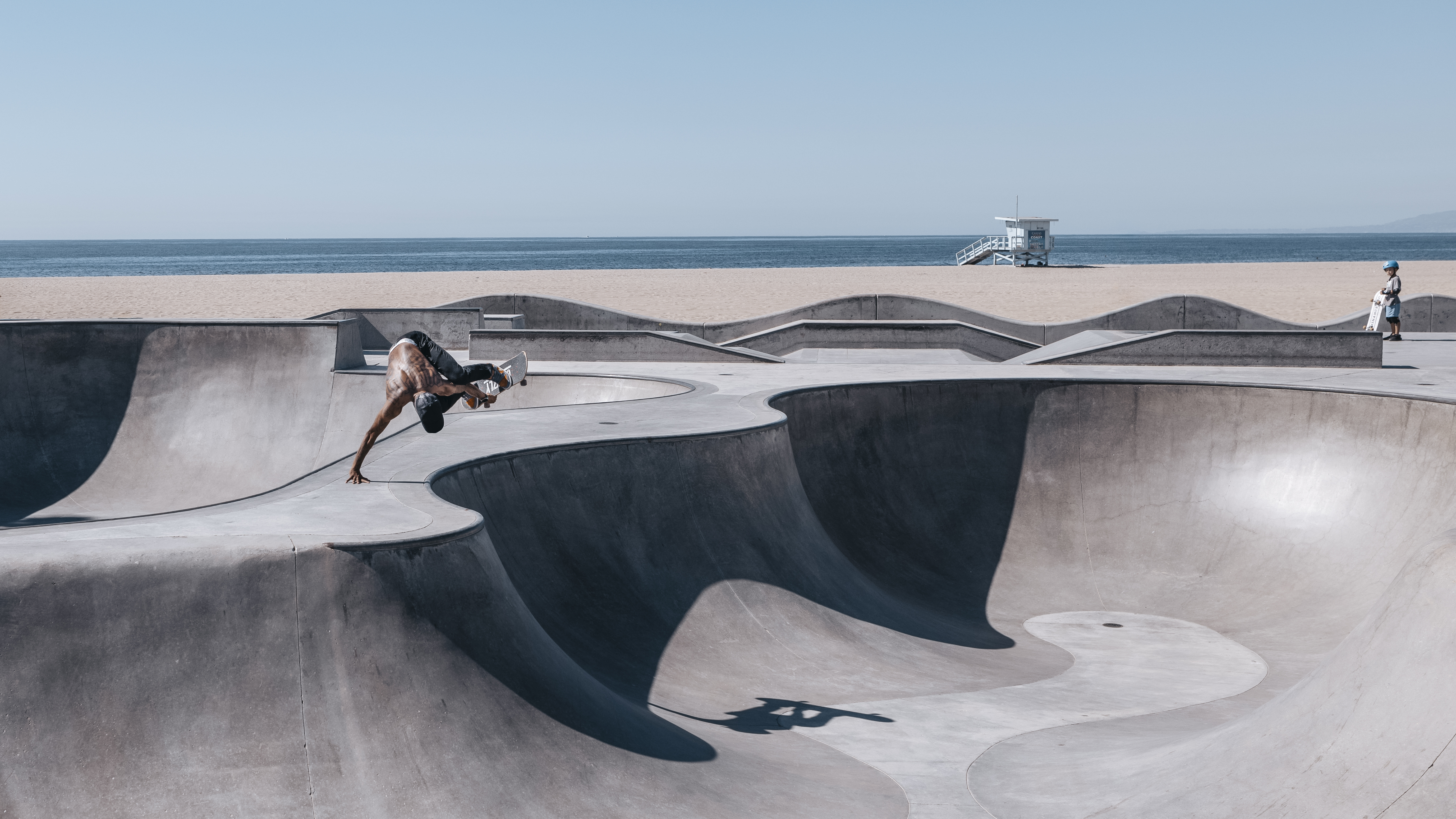
The GCCA’s 6th Annual Concrete in Life Photography Competition has concluded, with over 20,000 entries showcasing the beauty and versatility of concrete. This year’s winners highlight how concrete impacts our lives through stunning images of infrastructure, urban spaces, and daily life.
The competition celebrates concrete’s essential role in shaping our world, from iconic structures to more intimate, everyday moments. With incredible entries from around the globe, the winners represent a diverse range of categories, illustrating the material’s widespread influence and enduring appeal.
Full story: https://gccassociation.org/concreteinlife2425/
ACI Unveils Updated Strategic Plan for the Future of Concrete
The American Concrete Institute (ACI) has launched its updated strategic plan, aimed at shaping the future of concrete in a dynamic global environment. The plan focuses on five key areas: advancing expertise, catalyzing innovation, disseminating knowledge, promoting resiliency and sustainability, and enhancing the ACI experience. Each area includes specific directives to guide the industry forward.
ACI’s updated strategy emphasizes continuous improvement, global engagement, and expanding certification programs to foster innovation and sustainability in the concrete sector. The plan also aims to strengthen ACI’s international presence, making expertise accessible across languages and borders.
Led by 2024 ACI President Michael Paul, this strategic update reflects ACI’s commitment to fostering a vibrant, inclusive community and supporting responsible stewardship of the built environment for future generations.
Check out the full strategic plan:
Let me know what you think of these hot topics and any others you have come across!
Also, don’t forget to subscribe to stay up to date with the latest concrete information.
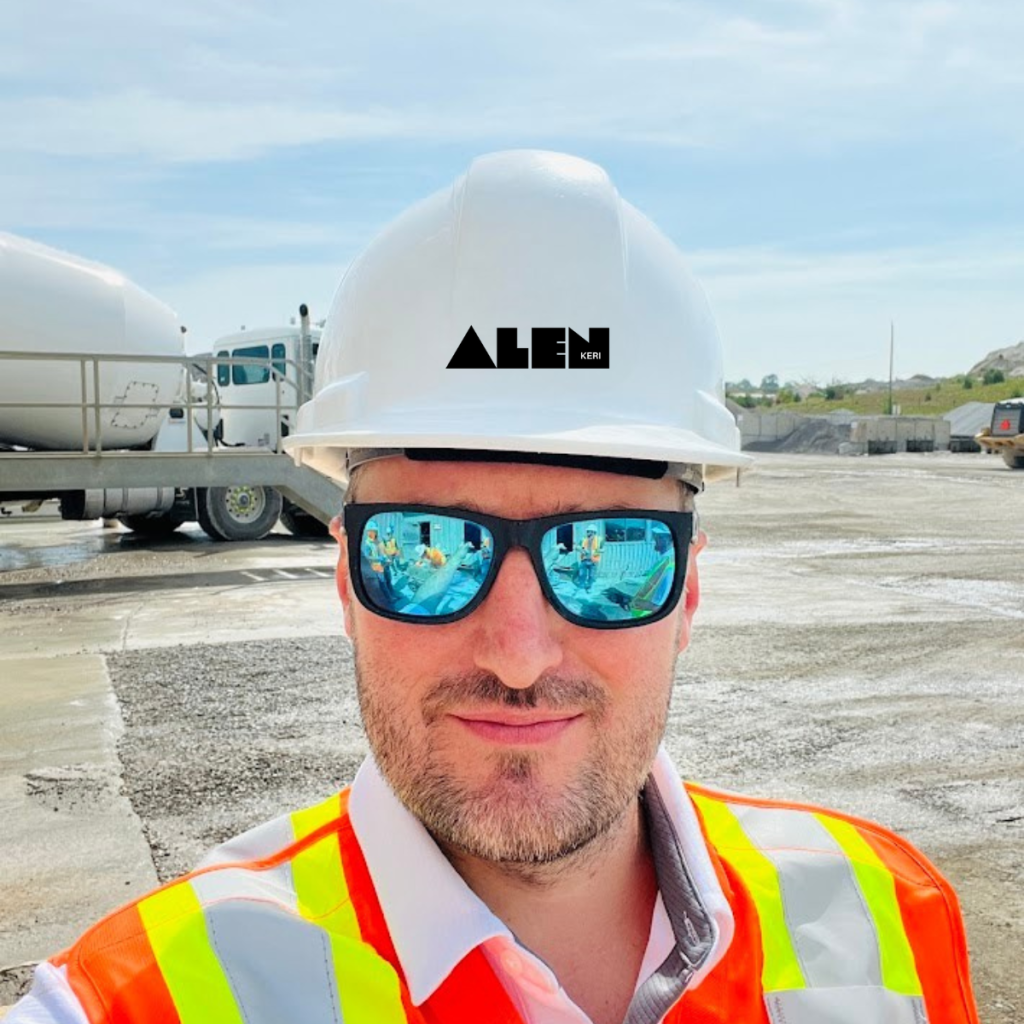
 Alen Keri
Leave a comment