
| concrete
A passionate and dedicated professional meets the world’s second most consumed material.
From my blog
-
 1–2 minutes
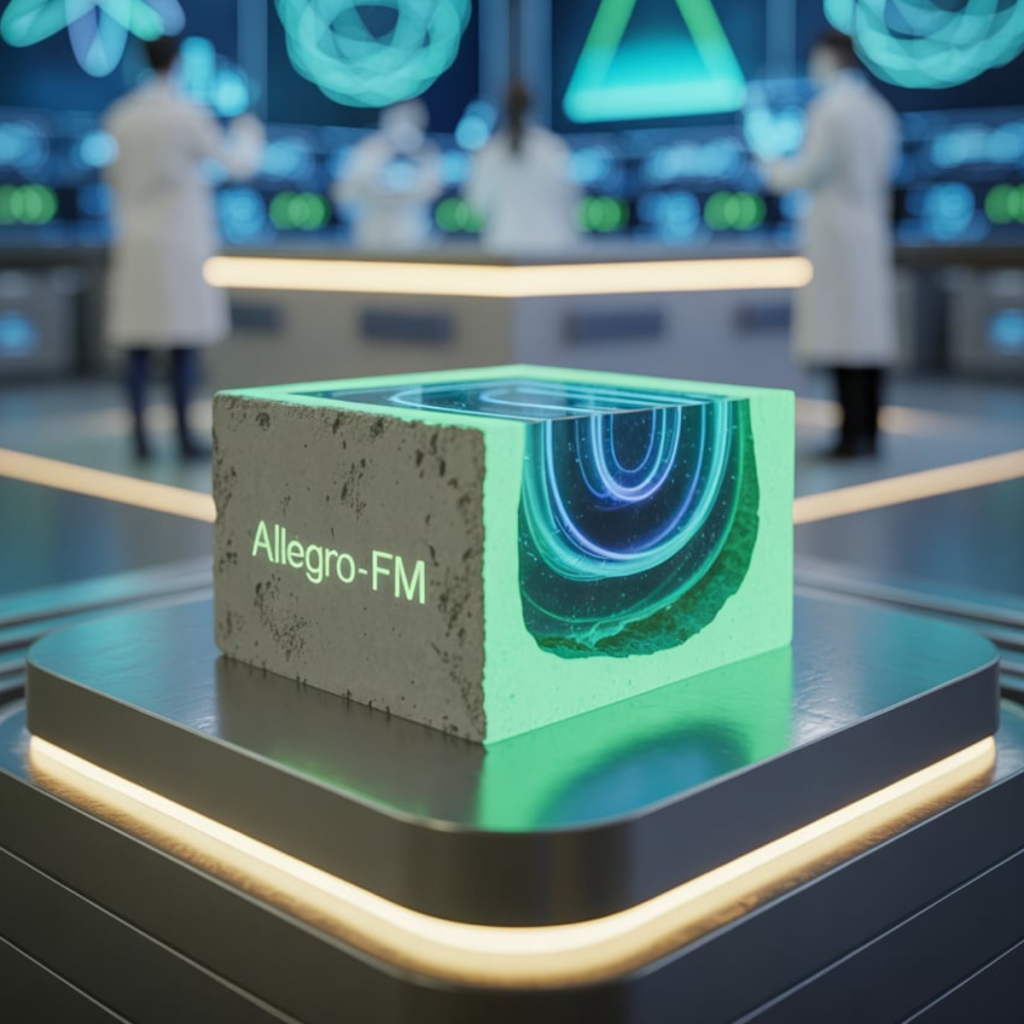
Concrete that captures carbon and could last centuries? AI just made it possible.
Imagine concrete that can survive wildfires, heal itself, and absorb carbon from the atmosphere. Thanks to a breakthrough by researchers at the USC Viterbi School of Engineering, this may soon be reality. Their new AI model, Allegro-FM, can simulate the behavior of billions of atoms at once, helping scientists design next-generation materials like carbon neutral…
-
 1–2 minutes
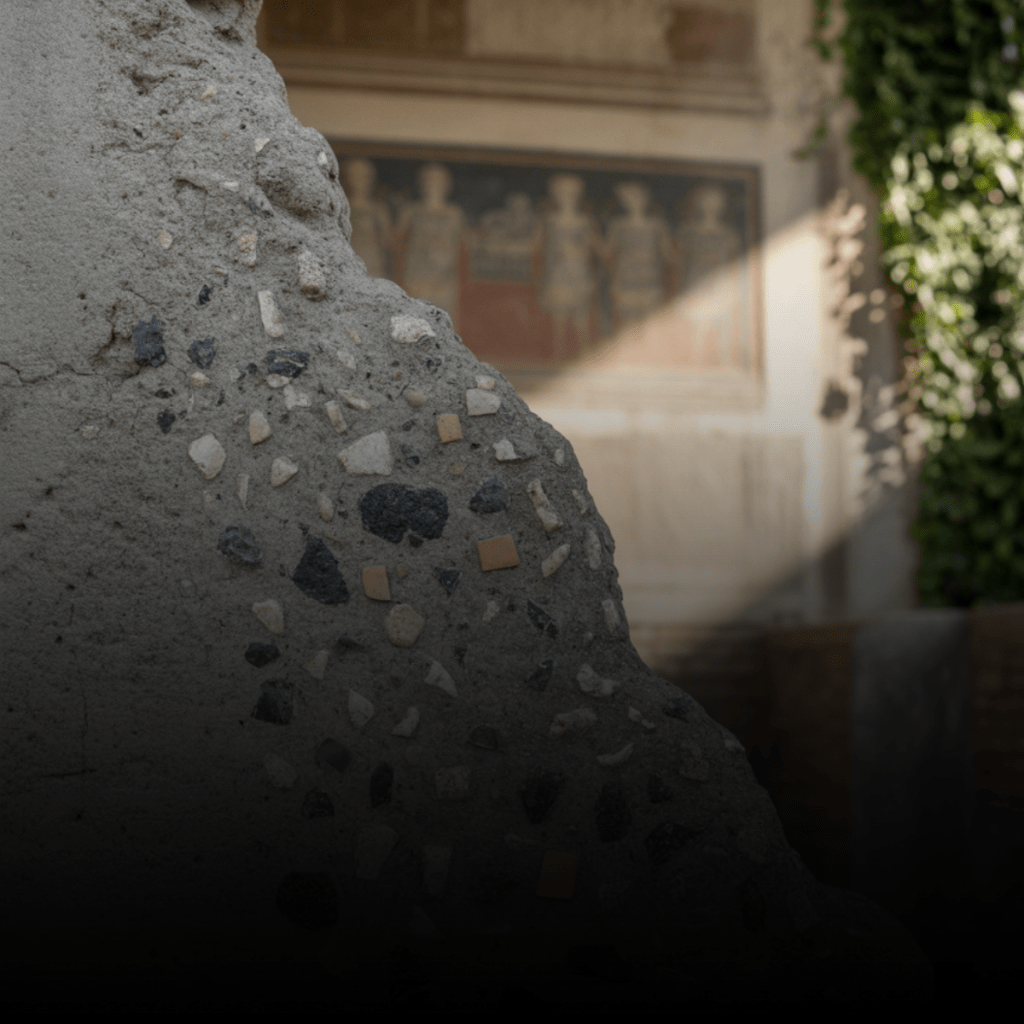
Ancient Roman Concrete: Built to Last — But Is It Sustainable Today?
Roman concrete has stood the test of time, with structures like the Pantheon, aqueducts and sea walls still standing after 2,000 years. Inspired by this longevity, a team of researchers explored whether reviving Roman concrete mix design could offer a more sustainable path for modern construction. The study, published in iScience, reveals a complex picture.…
-
 3–4 minutes
Concrete Trends: Hot Topics in the Concrete Industry – Week of April 14
Northwestern’s Carbon-Negative Concrete Innovation Northwestern University researchers have developed a carbon-negative building material using seawater, electricity, and CO2. This method creates sustainable materials for concrete, cement, plaster, and paint while also producing hydrogen gas as a clean fuel. By applying electricity to seawater, CO2 reacts with dissolved ions, forming carbon-trapping minerals like calcium carbonate. These…
-
 3–4 minutes
Concrete Trends: Hot Topics in the Concrete Industry – Week of March 17
Coffee Concrete: RMIT’s Biochar Innovation Wins Sustainability Award RMIT University’s innovative coffee concrete has won the 2024 Universities Australia Shaping Australia Award in the Problem Solver – People’s Choice category for its groundbreaking use of biochar from spent coffee grounds to strengthen concrete by 30% while reducing landfill waste. With global sand demand expected to…
-
 3–5 minutes
Concrete Trends: Hot Topics in the Concrete Industry – Week of March 3
A Game-Changer for SCMs: Rapid Testing for Calcined Clays Researchers at the University of Illinois Urbana-Champaign have developed a five-minute test to assess the quality of calcined clays, a promising supplementary cementitious material (SCM). Led by civil and environmental engineering professor Nishant Garg, this rapid method, using colorimetry and low-cost camera analysis, replaces the traditional seven-day test, enabling…
-
 4–6 minutes
Concrete Trends: Hot Topics in the Concrete Industry – Week of Feb. 24
Revolutionizing Concrete with Carbon-Negative Artificial Sand Mitsubishi UBE Cement Corporation (MUCC) has unveiled GX-e Beads™, a groundbreaking carbon-negative artificial sand designed to transform concrete. Made from calcium-rich wastes and by-products, GX-e Beads™ capture 80 to 250 kg of CO₂ per ton through MUCC’s proprietary accelerated carbonation technology. A low-carbon binder and a unique granulation and…
-
 4–6 minutes
Concrete Trends: Hot Topics in the Concrete Industry – Week of Feb. 17
Self-Heating Concrete: A Breakthrough for Safer, More Sustainable Roads Researchers at Drexel University have developed an innovative self-heating concrete designed to keep streets safe from ice and snow without relying on traditional road salt. The project, led by Amir Farnam, aims to address the environmental and cost concerns associated with salt use while providing a…
-
 4–5 minutes
Concrete Trends: Hot Topics in the Concrete Industry – Week of Dec. 9
Waterless Concrete: Revolutionizing Construction on Earth and the Moon NASA’s ambitions for lunar exploration have inspired the development of a groundbreaking waterless concrete by researchers at Louisiana State University (LSU). This sulfur-based material uses molten sulfur to bind soil, eliminating the need for water—a vital but scarce resource in space. 3D-printable, fast-curing, and able to…
-
 3–5 minutes
Concrete Trends: Hot Topics in the Concrete Industry – Week of Nov. 25
New PCA Guidelines for Lower Carbon Concrete The Portland Cement Association (PCA) has released “Lower Carbon Concrete: Voluntary Guidelines for Developing a Protocol” to help reduce emissions in construction. Key points include: PCA CEO Mike Ireland emphasizes a balanced approach to carbon neutrality, while Senior VP Rick Bohan highlights alternative fuels and low-carbon cements as…
-
 2–4 minutes
Concrete Trends: Hot Topics in the Concrete Industry – Week of Nov. 18
Recycled Carpet Fibers Reinforce Concrete for Sustainability Australian researchers at RMIT University have found a way to make stronger, crack-resistant concrete using scrap carpet fibers. This innovation reduces early-age shrinkage cracking by 30% and increases tensile strength by 40%, addressing a major issue in reinforced concrete that costs billions in annual repairs. The technique also…

 Alen Keri