
A Game-Changer for SCMs: Rapid Testing for Calcined Clays
Researchers at the University of Illinois Urbana-Champaign have developed a five-minute test to assess the quality of calcined clays, a promising supplementary cementitious material (SCM). Led by civil and environmental engineering professor Nishant Garg, this rapid method, using colorimetry and low-cost camera analysis, replaces the traditional seven-day test, enabling real-time quality control for cement producers. With coal-based fly ash in decline, calcined clays offer a low-carbon alternative, and this breakthrough could accelerate their adoption in sustainable concrete mixes. The team is now seeking industry partners to refine and expand the method for other SCMs like natural pozzolans and reclaimed ashes, paving the way for faster, more cost-effective concrete innovation.

Brine Concrete: Turning Desalination Waste into Sustainable Construction
The NEOM Water Innovation Center, in collaboration with TUDelft, TAMVINCI, and Topian, has developed brine concrete, a sustainable building material that repurposes desalination brine, reducing freshwater usage by 75%, cement consumption by 35%, and CO₂ emissions by 35%. By integrating GGBS and calcined clay, brine concrete enhances durability and supports 3D printing for marine and infrastructure applications. Already deployed for coral reef restoration in the Red Sea, this innovation aligns with Saudi Arabia’s Vision 2030 and global sustainability goals, paving the way for greener, more resource-efficient construction.
Full story: https://www.cbnme.com/news/neom-harnessing-waste-for-innovation-with-the-rise-of-sustainable-brine-concrete/

Turning Retired Wind Turbine Blades into Concrete Solutions
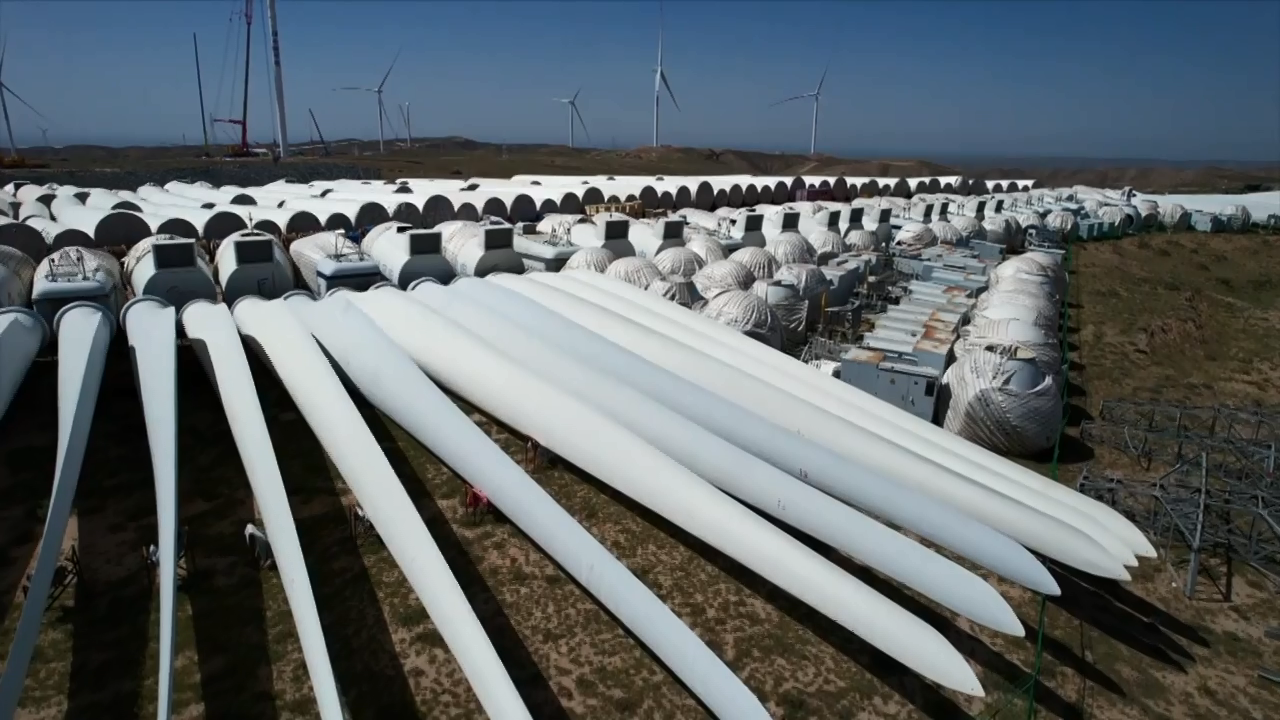
As the wind energy sector grows, so does the challenge of decommissioning aging wind turbine blades—which are notoriously difficult to recycle due to their composite materials. A research team from the Lanzhou Institute of Chemical Physics has developed an innovative solution to repurpose these blades into asphalt mixtures and cement concrete, offering a scalable recycling approach.
By using a combination of physical crushing and chemical treatment, the team modified the blades for use in road construction, successfully applying the material in a test section of the Qingfu Highway in Lanzhou. After five months of operation, the pavement has shown no cracks, rutting, or material detachment, proving its durability.
This breakthrough not only reduces landfill waste but also transforms retired blades into valuable urban mineral resources. As China pushes for carbon neutrality by 2060, integrating recycled wind turbine materials into concrete could play a crucial role in sustainable infrastructure development. More demonstration projects are planned, bringing this circular economy approach closer to large-scale implementation.
Full story: https://www.chinadaily.com.cn/a/202502/12/WS67ac63c7a310a2ab06eabd7b.html
Water-Free Concrete: A Breakthrough for Lunar and Martian Construction
Researchers at IIT Madras’ ExTeM group have developed a water-free concrete using sulphur, a resource abundant on Mars, to aid in extraterrestrial construction. This innovation is crucial since water on Mars exists as ice and requires extensive processing. The sulphur-based concrete meets Earth standards and could be used for habitats on Mars and the Moon, reducing the need for transporting materials from Earth. The team also built a Microgravity Drop Tower to study materials in space and explore metal foams for meteor protection. Scientists worldwide are focusing on in-situ resource utilization (ISRU), using local materials for construction to lower costs, with studies showing that 3D-printable sulphur-based concrete performs well in extreme lunar conditions. As space agencies like NASA and ESA push for sustainable lunar and Martian bases, water-free concrete could play a key role in the future of off-world construction.

Enhancing Ultra-High-Performance Concrete with Mine Tailings
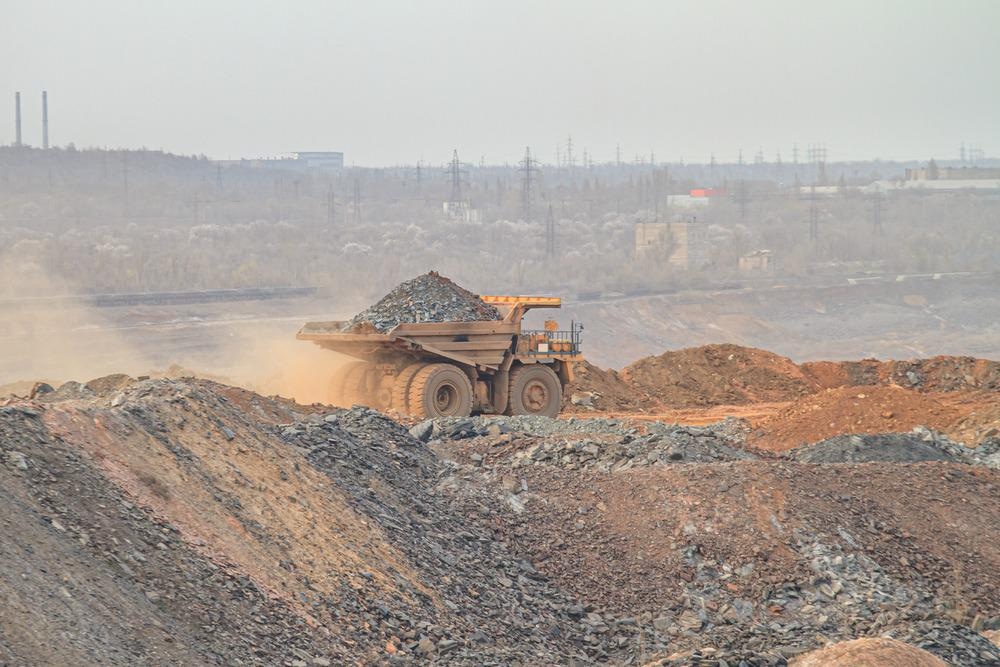
Recent research explores the use of mine tailings—the residual waste from mining operations—as sustainable substitutes for cement and aggregates in ultra-high-performance fiber-reinforced concrete (UHPFRC). By incorporating 15% mine tailings powder (MTP) and 60% mine tailings sand (MTS), the study achieved a 12.49% increase in compressive strength, reaching 165.2 MPa after 90 days, while also improving sulfate resistance, tensile strength, and durability. These enhancements stem from pozzolanic reactions and improved granular structure, leading to reduced permeability and better bonding. With the mining industry generating 3 billion tons of tailings annually, repurposing them in high-performance concrete offers an eco-friendly alternative that reduces carbon emissions and resource depletion. This research paves the way for sustainable, high-strength concrete solutions, aligning with the construction industry’s shift toward greener, waste-reducing materials.
Full story: https://evrimagaci.org/tpg/mine-tailings-offer-sustainable-solutions-for-concrete-217347
Let me know what you think of these hot topics and any others you have come across!
Also, don’t forget to subscribe to stay up to date with the latest concrete information.
 Alen Keri
Leave a comment